


Rodent Control in Columbia: Stop Fall Rat Invasions

Rodent control in Columbia becomes urgent every November. Cooler nights push rats and mice indoors, searching for food, warmth, and a dry place to nest. If you've noticed droppings in the stockroom or gnawed packaging in dry storage, you're not imagining it. Fall is prime time for rodents to abandon outdoor burrows and move into kitchens, warehouses, and storage areas across the area.
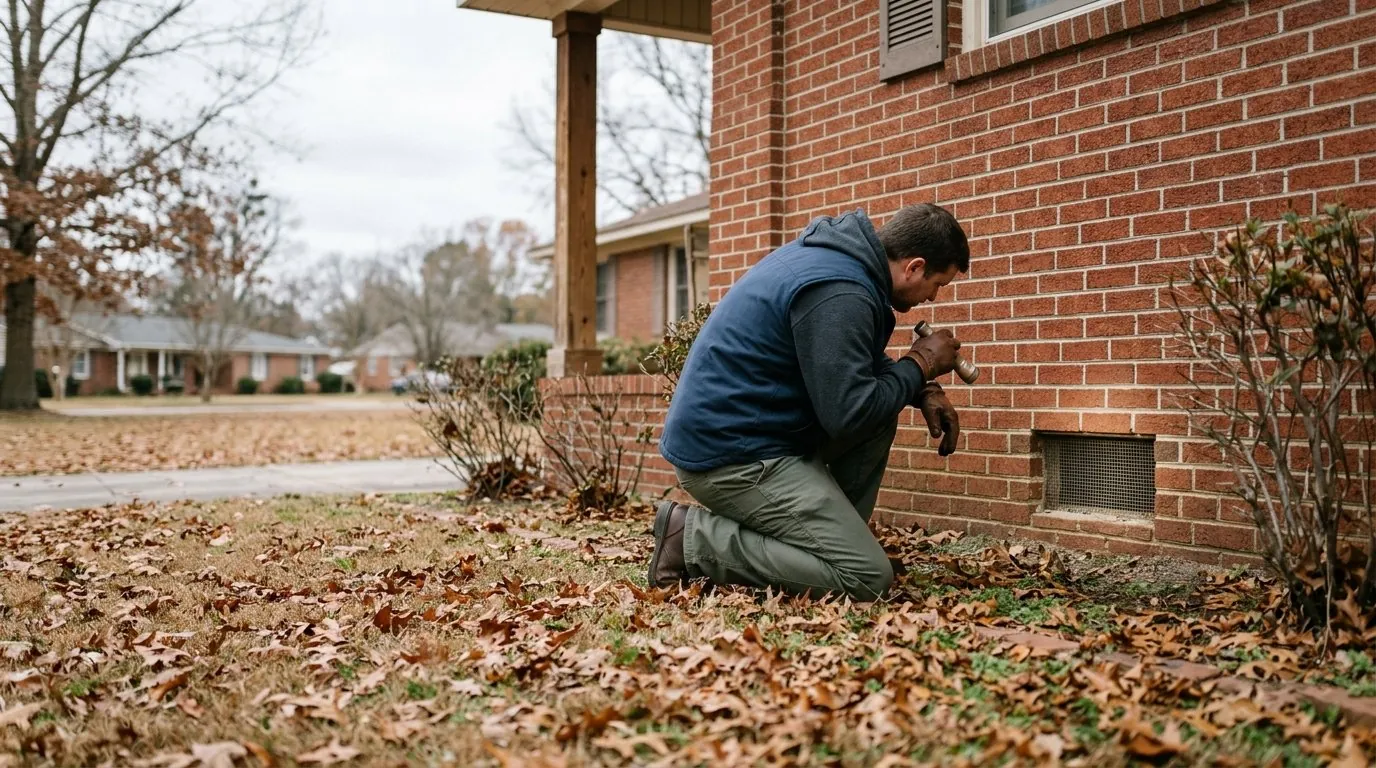
Technician performing rodent control in Columbia by inspecting a home's foundation and crawlspace vent during fall.

Why November Triggers a Rodent Surge

Columbia's humid subtropical climate rarely gives pests a true off-season. But as temperatures drop through late fall, roof rats, Norway rats, and house mice all start searching for warmer shelter. Commercial buildings with loading dock gaps, unsealed utility penetrations, or open floor drains become easy targets.

This timing lines up with a broader year-round pattern in the area. Outdoor pests migrate indoors as nighttime temperatures consistently dip below 68 degrees, and rodents follow the same instinct. Once inside, they rarely leave on their own.

Signs You Need Rodent Control in Columbia Right Now

Rodents are secretive, but they leave evidence behind. Catching the problem early prevents far bigger headaches later.

Watch for these common warning signs:

  • Grease trails or smudge marks along baseboards and wall corners
  • A sharp, musky urine odor in storerooms or ceiling voids
  • Gnaw marks on food packaging, wiring, or wood trim
  • Scratching sounds inside walls, especially at night
  • Droppings near dry storage, under prep sinks, or by loading docks

If you spot even one of these signs, it's worth scheduling an inspection before the colony grows. Rats can travel up to 150 feet from their nest to find food. That range means a single entry point can support a much larger infestation than most business owners expect.

The Hidden Structural and Fire Risks

Rodents don't just leave a mess. Their constant need to gnaw and wear down their incisors puts real property at risk. They regularly chew through electrical wiring, HVAC insulation, and PVC piping inside walls, ceilings, and equipment rooms.

Damaged wiring from rodent gnawing is a recognized, hidden contributor to structural fire hazards. That risk alone makes prompt action essential, not optional, for business owners and commercial property managers.

Beyond fire risk, chewed insulation, contaminated ductwork, and spoiled inventory can lead to costly repairs and downtime. Left unchecked, a small rodent problem this fall can become an expensive structural issue by midwinter.

How Professional Rodent Exclusion Works

Effective rodent management goes beyond setting a few traps and hoping for the best. A thorough approach combines inspection, exclusion, and ongoing monitoring.

A typical service visit includes:

  1. A detailed inspection of kitchens, storage areas, loading docks, and the building perimeter
  2. Identification of active entry points, including gaps larger than a quarter inch
  3. Sealing and exclusion work to close off those access points
  4. Targeted trapping or baiting based on the species and severity
  5. Follow-up visits with documented service reports to confirm the issue is fully resolved
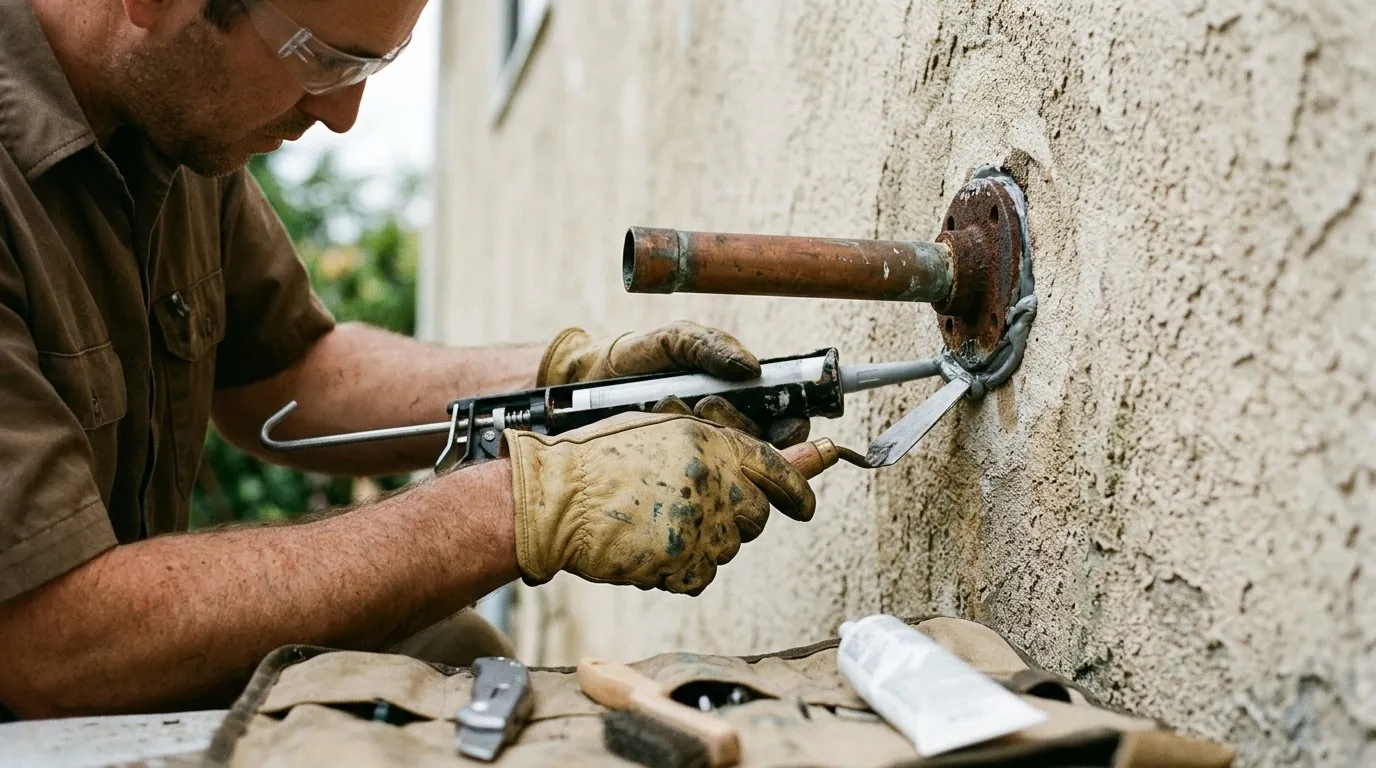
Close-up of hands sealing a rodent entry point during a rodent exclusion service in Columbia.

Many Columbia businesses come to us after another company couldn't resolve a persistent infestation. Our technicians are known for diagnosing the root cause quickly, even in cases where previous treatments only masked the symptoms temporarily.

Green-Minded Approaches to Reducing Rodent Pressure

Exclusion and moisture management are at the heart of effective, lower-impact rodent control. High humidity in South Carolina crawlspaces doesn't just attract wood-boring insects and roaches; it also creates damp, appealing conditions rodents seek out. Addressing moisture at the source reduces the conditions that draw pests in the first place.

Sealing structural gaps and managing moisture in crawlspaces, basements, and mechanical rooms works alongside targeted treatments rather than relying on heavy, broad chemical use. This approach keeps facilities safer for employees, customers, and local wildlife while still solving the underlying problem. Commerce Pest Services Inc builds these principles into every rodent service plan.

Commercial Properties Face Added Pressure

Restaurants, hotels, and multi-family properties in the area face added scrutiny on pest control standards. South Carolina health inspections are scored out of 100. The resulting letter grade must stay posted and searchable in public databases for up to three years. A rodent sighting during an inspection can mean posted grade drops and penalties of up to $1,000 per violation, per day.

Ongoing, documented pest management isn't just good practice for commercial operators; it's a safeguard for reputation and compliance. Scheduled visits with detailed reporting give property managers the paper trail they need if questions ever arise.

Frequently Asked Questions

  • How fast do rodent problems typically get worse once they start?

    Once rodents find a reliable food and shelter source, populations can grow quickly since they breed frequently. Addressing the issue within the first few weeks of noticing signs makes exclusion and removal far more manageable.

  • Can I just use traps and bait without sealing entry points?

    Traps and bait reduce the current population, but new rodents will keep entering through the same unsealed gaps. Long-term success depends on closing off entry points alongside active treatment.

  • Is rodent activity really a fire risk in commercial buildings?

    Yes. Rodents must gnaw constantly to manage their incisor growth, and electrical wiring is a common target. Damaged wiring from this gnawing is a documented, hidden contributor to structural fire hazards.

  • How often should commercial properties schedule rodent inspections?

    Most food service and hospitality properties benefit from ongoing, scheduled visits rather than one-time treatments. Regular documentation also supports compliance with local health inspection standards.

  • What time of year is rodent activity highest in the area?

    Fall is a major entry period as cooling temperatures send rodents searching for indoor shelter. Activity can continue through winter once a colony establishes itself inside a structure.

If scratching sounds or gnaw marks have you wondering what's moving around your business, don't wait for the problem to grow. Reach out to Commerce Pest Services Inc to schedule an inspection and get a clear plan for lasting rodent control.

← Back to all posts

Have a Pest Problem That Can't Wait for a Blog Post?

Reading up is smart — but if pests are already affecting your business, you need a licensed team on site, not another article. Commerce Pest Services delivers fast, commercial-grade pest control across Columbia, Greenville, Hilton Head, and Lexington, SC. Book your free inspection and get a written report with a transparent quote.

Rodent Control in Columbia: Stop Fall Rat Invasions

Rodent control in Columbia becomes urgent every November. Cooler nights push rats and mice indoors, searching for food, warmth, and a dry place to nest. If you've noticed droppings in the stockroom or gnawed packaging in dry storage, you're not imagining it. Fall is prime time for rodents to abandon outdoor burrows and move into kitchens, warehouses, and storage areas across the area.

Technician performing rodent control in Columbia by inspecting a home's foundation and crawlspace vent during fall.

Why November Triggers a Rodent Surge

Columbia's humid subtropical climate rarely gives pests a true off-season. But as temperatures drop through late fall, roof rats, Norway rats, and house mice all start searching for warmer shelter. Commercial buildings with loading dock gaps, unsealed utility penetrations, or open floor drains become easy targets.

This timing lines up with a broader year-round pattern in the area. Outdoor pests migrate indoors as nighttime temperatures consistently dip below 68 degrees, and rodents follow the same instinct. Once inside, they rarely leave on their own.

Signs You Need Rodent Control in Columbia Right Now

Rodents are secretive, but they leave evidence behind. Catching the problem early prevents far bigger headaches later.

Watch for these common warning signs:

  • Grease trails or smudge marks along baseboards and wall corners
  • A sharp, musky urine odor in storerooms or ceiling voids
  • Gnaw marks on food packaging, wiring, or wood trim
  • Scratching sounds inside walls, especially at night
  • Droppings near dry storage, under prep sinks, or by loading docks

If you spot even one of these signs, it's worth scheduling an inspection before the colony grows. Rats can travel up to 150 feet from their nest to find food. That range means a single entry point can support a much larger infestation than most business owners expect.

The Hidden Structural and Fire Risks

Rodents don't just leave a mess. Their constant need to gnaw and wear down their incisors puts real property at risk. They regularly chew through electrical wiring, HVAC insulation, and PVC piping inside walls, ceilings, and equipment rooms.

Damaged wiring from rodent gnawing is a recognized, hidden contributor to structural fire hazards. That risk alone makes prompt action essential, not optional, for business owners and commercial property managers.

Beyond fire risk, chewed insulation, contaminated ductwork, and spoiled inventory can lead to costly repairs and downtime. Left unchecked, a small rodent problem this fall can become an expensive structural issue by midwinter.

How Professional Rodent Exclusion Works

Effective rodent management goes beyond setting a few traps and hoping for the best. A thorough approach combines inspection, exclusion, and ongoing monitoring.

A typical service visit includes:

  1. A detailed inspection of kitchens, storage areas, loading docks, and the building perimeter
  2. Identification of active entry points, including gaps larger than a quarter inch
  3. Sealing and exclusion work to close off those access points
  4. Targeted trapping or baiting based on the species and severity
  5. Follow-up visits with documented service reports to confirm the issue is fully resolved
Close-up of hands sealing a rodent entry point during a rodent exclusion service in Columbia.

Many Columbia businesses come to us after another company couldn't resolve a persistent infestation. Our technicians are known for diagnosing the root cause quickly, even in cases where previous treatments only masked the symptoms temporarily.

Green-Minded Approaches to Reducing Rodent Pressure

Exclusion and moisture management are at the heart of effective, lower-impact rodent control. High humidity in South Carolina crawlspaces doesn't just attract wood-boring insects and roaches; it also creates damp, appealing conditions rodents seek out. Addressing moisture at the source reduces the conditions that draw pests in the first place.

Sealing structural gaps and managing moisture in crawlspaces, basements, and mechanical rooms works alongside targeted treatments rather than relying on heavy, broad chemical use. This approach keeps facilities safer for employees, customers, and local wildlife while still solving the underlying problem. Commerce Pest Services Inc builds these principles into every rodent service plan.

Commercial Properties Face Added Pressure

Restaurants, hotels, and multi-family properties in the area face added scrutiny on pest control standards. South Carolina health inspections are scored out of 100. The resulting letter grade must stay posted and searchable in public databases for up to three years. A rodent sighting during an inspection can mean posted grade drops and penalties of up to $1,000 per violation, per day.

Ongoing, documented pest management isn't just good practice for commercial operators; it's a safeguard for reputation and compliance. Scheduled visits with detailed reporting give property managers the paper trail they need if questions ever arise.

Frequently Asked Questions

  • How fast do rodent problems typically get worse once they start?

    Once rodents find a reliable food and shelter source, populations can grow quickly since they breed frequently. Addressing the issue within the first few weeks of noticing signs makes exclusion and removal far more manageable.

  • Can I just use traps and bait without sealing entry points?

    Traps and bait reduce the current population, but new rodents will keep entering through the same unsealed gaps. Long-term success depends on closing off entry points alongside active treatment.

  • Is rodent activity really a fire risk in commercial buildings?

    Yes. Rodents must gnaw constantly to manage their incisor growth, and electrical wiring is a common target. Damaged wiring from this gnawing is a documented, hidden contributor to structural fire hazards.

  • How often should commercial properties schedule rodent inspections?

    Most food service and hospitality properties benefit from ongoing, scheduled visits rather than one-time treatments. Regular documentation also supports compliance with local health inspection standards.

  • What time of year is rodent activity highest in the area?

    Fall is a major entry period as cooling temperatures send rodents searching for indoor shelter. Activity can continue through winter once a colony establishes itself inside a structure.

If scratching sounds or gnaw marks have you wondering what's moving around your business, don't wait for the problem to grow. Reach out to Commerce Pest Services Inc to schedule an inspection and get a clear plan for lasting rodent control.

← Back to all posts

Have a Pest Problem That Can't Wait for a Blog Post?

Reading up is smart — but if pests are already affecting your business, you need a licensed team on site, not another article. Commerce Pest Services delivers fast, commercial-grade pest control across Columbia, Greenville, Hilton Head, and Lexington, SC. Book your free inspection and get a written report with a transparent quote.